Physical education and video games might seem like two completely different things: one makes you move and sweat, the other keeps you sitting in front of a screen. In reality, in recent years these two worlds have been drawing ever closer, demonstrating that playing video games and doing sport are not necessarily at odds.
Exergamers
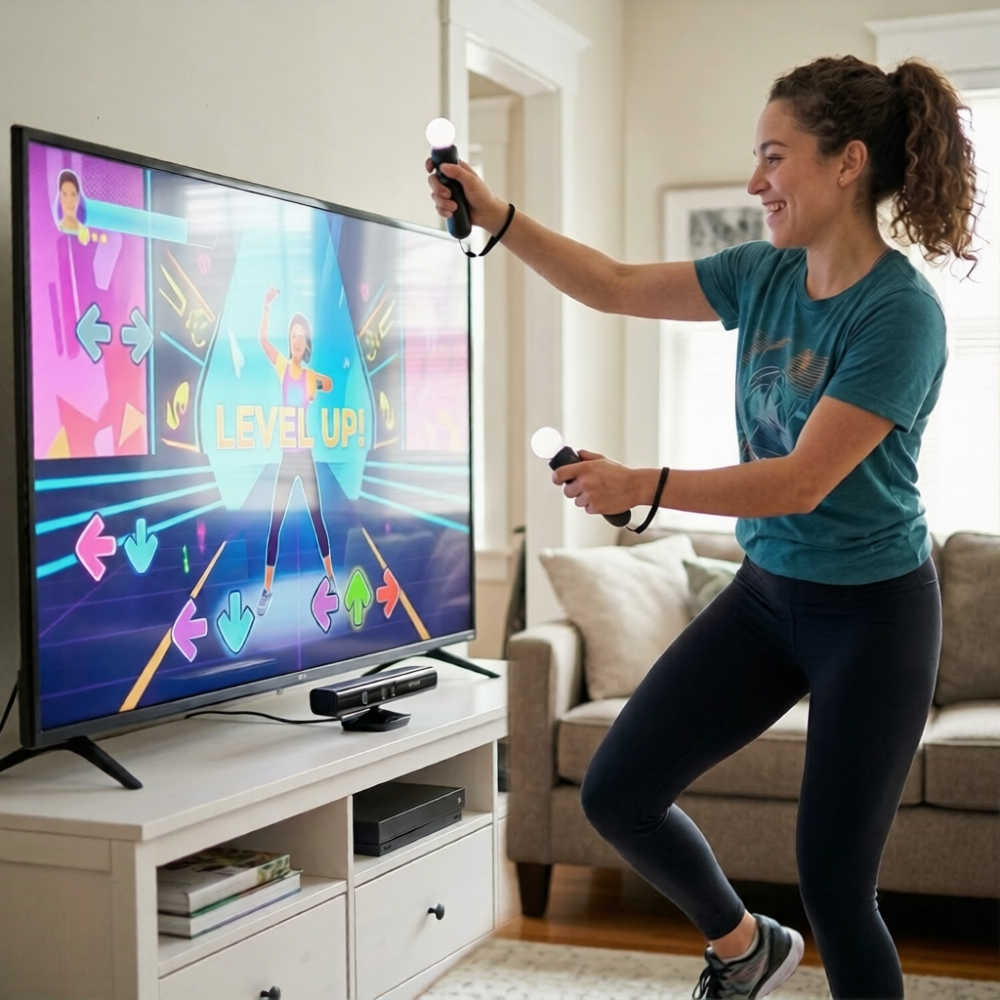
There are video games specifically designed to make the body move, known as “exergames”. Instead of sitting still on the sofa, these games ask you to dance, jump or perform real physical exercises. In this way the workout becomes something fun and engaging, helping to improve balance, coordination and physical endurance — exactly as would happen during a normal physical education lesson.
Exergamers
There are video games specifically designed to make the body move, known as “exergames”. Instead of sitting still on the sofa, these games ask you to dance, jump or perform real physical exercises. In this way the workout becomes something fun and engaging, helping to improve balance, coordination and physical endurance — exactly as would happen during a normal physical education lesson.
Sports Simulation
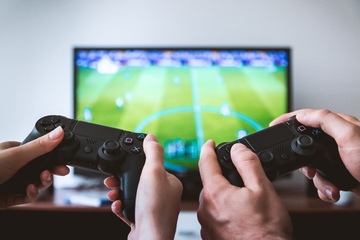
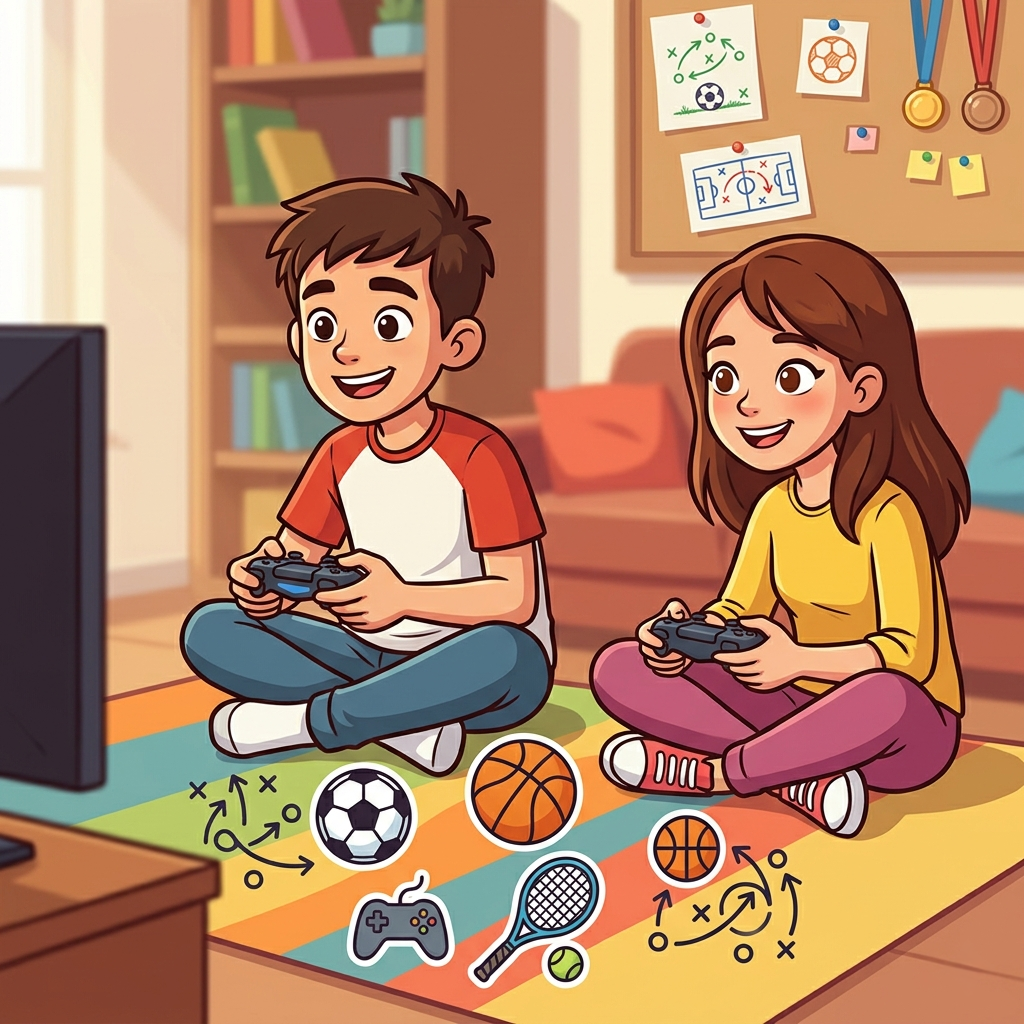
Many video games recreate sports disciplines such as football, basketball or tennis. Even when played with a controller, they allow players to better understand the rules, strategies and technical movements of each sport — knowledge that can then be applied in real practice during school activities.
The Risks of Sedentary Behaviour
Despite these positive aspects, it is important not to overdo it. Spending too many hours in front of a screen without moving can cause physical problems such as back pain, neck pain or eye strain. This is where physical education comes in, teaching us how important it is to move every day, maintain correct posture and take regular breaks when using electronic devices. Used in moderation, video games can be a useful tool, but they must never replace real physical movement.
The Risks of Sedentary Behaviour
Despite these positive aspects, it is important not to overdo it. Spending too many hours in front of a screen without moving can cause physical problems such as back pain, neck pain or eye strain. This is where physical education comes in, teaching us how important it is to move every day, maintain correct posture and take regular breaks when using electronic devices. Used in moderation, video games can be a useful tool, but they must never replace real physical movement.
🏅 Physical Education Quiz
1. The main function of the cardiovascular system during physical activity is:
2. How many players are on the court for each basketball team?
3. In volleyball, each team can touch the ball a maximum of:
4. Which is the correct sequence of a pre-workout warm-up?
5. Which of the following is a fundamental movement skill?
6. The FITT principle stands for:
7. In soccer, a player is in an offside position when:
8. Body Mass Index (BMI) is a parameter that relates:
9. The official distance of a marathon is:
10. Which of the following activities primarily uses the anaerobic system?